
The Power of Storytelling in Early Learning


The Power of Storytelling in Early Learning
Stories shape us. Storytelling can impact anyone. Stories are a part of our culture that not only help us learn new things but also define our future. It would not be wrong to say that storytelling is an art. The art of storytelling is something everyone can’t possess. We've all grown up listening to stories, and we’ve definitely had our best story times. India is a country of culture, and where there’s deep culture, there are stories. Verbal storytelling has been a cherished tradition passed down through generations. This is where the power of storytelling comes into play, especially in early age learning.
Stories have been an essential part in forming young people's
ideas, from the Ramayana epic to the Panchatantra moral tales. The value of Hindi
storytelling in early childhood education goes beyond mere amusement; it is
an important tool that supports social, emotional, and cognitive growth.
Why is storytelling no less than art?

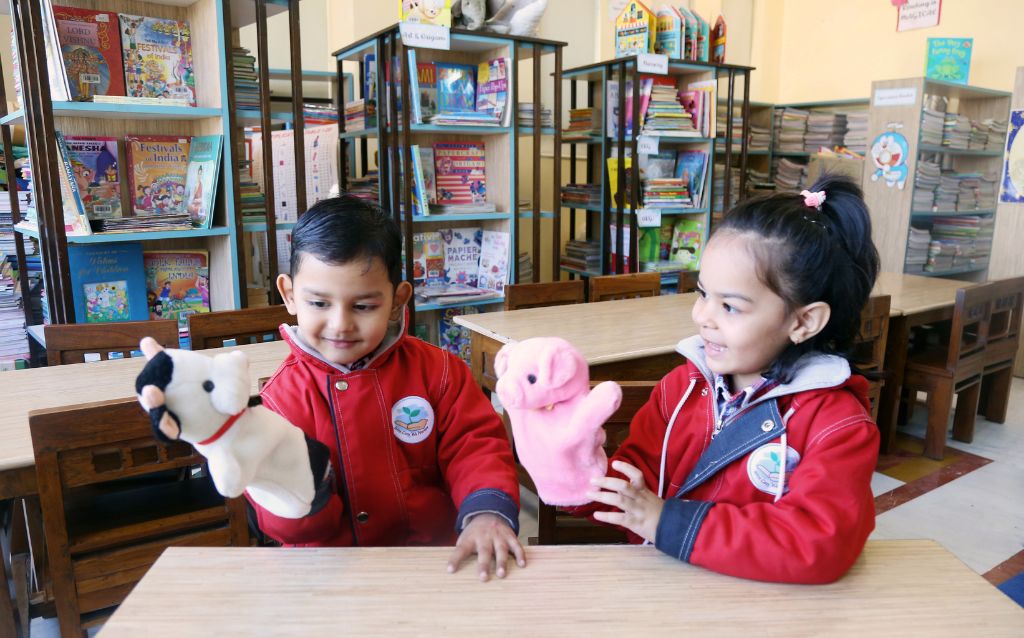
The art of storytelling has evolved through generations. When people say storytelling is an art, one should definitely agree, as it's more than narrating the events. Storytelling is more like weaving threads that include imagination, evoke emotions, and teach lessons. Moreover, the art of storytelling also includes expressions and gestures, creating a special experience for children.
Key highlights of storytelling in early learning
Cognitive Development: Stories enhance listening skills and recall capacity, leading to a better understanding of the content. Children create pictures of scenes and characters, which enable them to develop essential creative thinking and imaginative skills.
Language and Literacy: Storytelling introduces new vocabulary, sentence structures, and language patterns, which establishes a reading foundation for students to develop their reading skills.
Emotional and Social Growth: Stories help children learn about emotions, develop empathy, and understand social situations. The character actions discussion provides a safe space for students to examine their emotions as they learn to navigate complex circumstances.
Cultural Awareness and Values: Stories also teach about different cultures and traditions through their messages, which include teaching about kindness, honesty, and empathy.
Enhanced Bonding: Storytelling strengthens connections among parents, teachers, and their children by fostering emotional bonds.
How does storytelling
impact kids in early learning?

We always look at the outcomes for every activity, whether it’s
academic learning or physical activities. In the same way, storytelling impacts
kids in every sense. The time has gone when stories were only an option to
distract kids and make them sleep. As the world evolves, the form of
storytelling has changed as well. Parents and teachers use many props for
storytelling that instil positive values and discipline in young learners.
Nowadays, there are storytelling books, apps, and many other
storytelling-related props that teach different aspects of life. Some teach
expressions, some focus on vocabulary, and some emphasise day-to-day
discipline. Storytelling usually impacts:
-Moral
-Behavioural
-Discipline
-Cultural aspects. This is why preparatory schools today have embraced a creative approach to storytelling.
How storytelling builds language skills and sharpens critical thinking & problem-solving
Storytelling is one of the proven and fastest ways to foster language
development skills in kids. Narrating new words every time, providing context
upskills their roots and helps them learn more clearly & faster. Due to the
increasing incidence of intercultural families, children can learn more
languages through the way stories are structured and illustrated.
On the other hand, good storytelling encourages critical thinking
and problem-solving ability as children anticipate the visuals, and try to
understand the cause and its effect- this often brings out their inner
curiosity to ask questions.
Engaging children with stories helps foster language development, expand vocabulary, and develop comprehension skills. Narratives introduce new words and concepts, providing context that aids understanding. This practice forms the foundation for effective decision-making, too.
Conclusion
The
real power lies in effective communication, and storytelling is the best
example of it. We at Blue Bells Preparatory School closely monitor the
evolving story-based learning approach so
that little kids can create their own imaginative world and develop the
important skills they need to thrive at a high level. Want your kid to learn
the same way you aspire to? Hand us their learning string so they can flourish.


More Blogs

How Parents and Teachers Together Shape a Child's Growth
A child’s growth in the early years matters most, as it lays the foundation for their future life. Parent-teacher collaboration is the most important thing in a child’s development.
Read More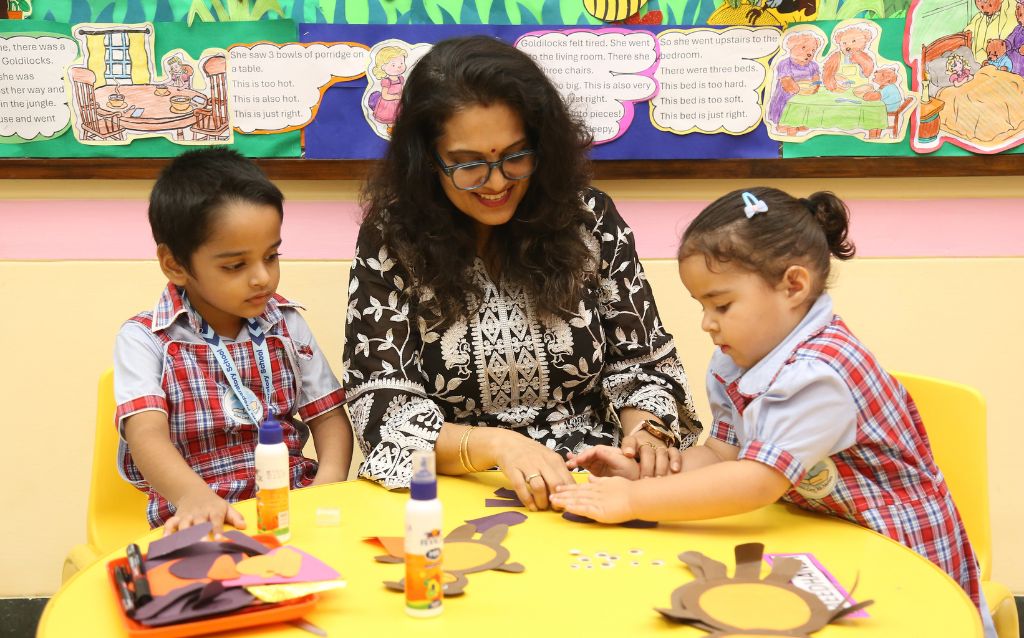
Why Teacher-Student Relationships Matter in Early Years
The teacher-student relationship in the early years is both adorable and worth observing. Somehow, we all remember our first teacher, who held our hands to help us write better or
Read More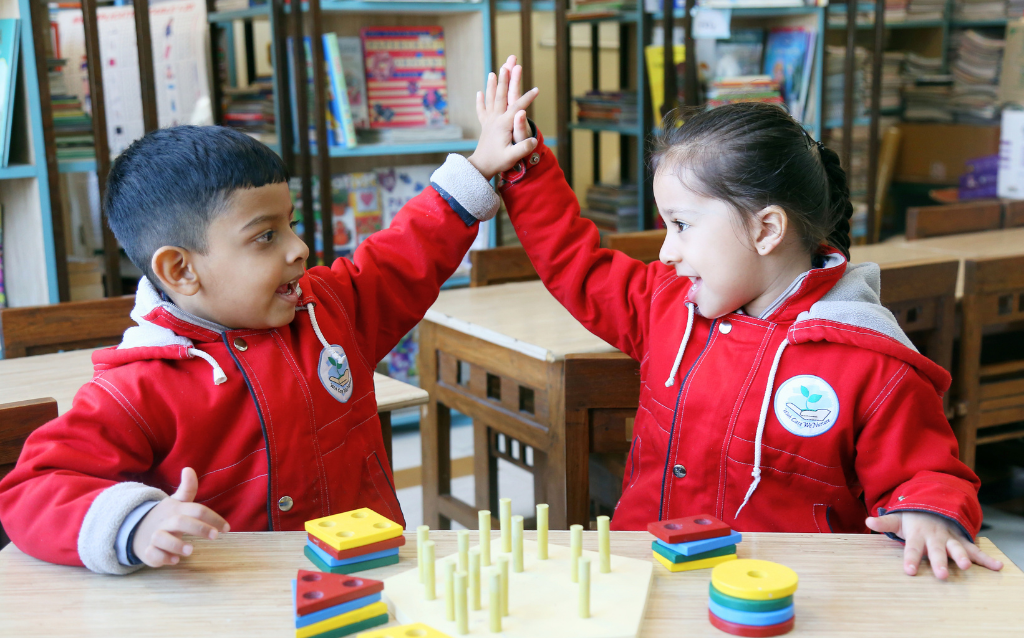
How Social Skills Begin in the Classroom?
Social skills have become important aspects in our lives- especially in kids' lives. Showing empathy, communicating with friends, and sharing things are core abilities that fall under social skills.
Read More
A Day in the Life at Blue Bells Preparatory School
School time is one of the best times in children's lives. Kids don't just learn in schools but also play, make friends, and enhance life skills.
Read More
Teeth, Nails, Shoes: Grooming Basics for School Days
Discipline is essential for any school-going kid. It isn’t just about arriving at school on time, completing homework within the given deadline, and wearing neat clothes; personal hygiene and grooming are also essential components of discipline.
Read More
Reading Together: 10 Minutes a Day
What you read is what you imbibe. In the fast-paced world, where screens have captured children's attention, the simple act of reading a book can evoke a magical feeling. We indeed have to evolve with the times, but reading shouldn't be limited to screens only.
Read More
Handling Apart Time Worries at Drop-Off
Let's face it, school drop-off can sometimes be quite worrisome for both kids and parents. You know the scene: your child hanging on your leg, tear-filled eyes, perhaps even a complete meltdown. And you? You're standing there with your heart dropping, thinking, "How do I make this less difficult for both of us?"
Read More