
Why Teacher-Student Relationships Matter in Early Years


Why Teacher-Student Relationships Matter in Early Years
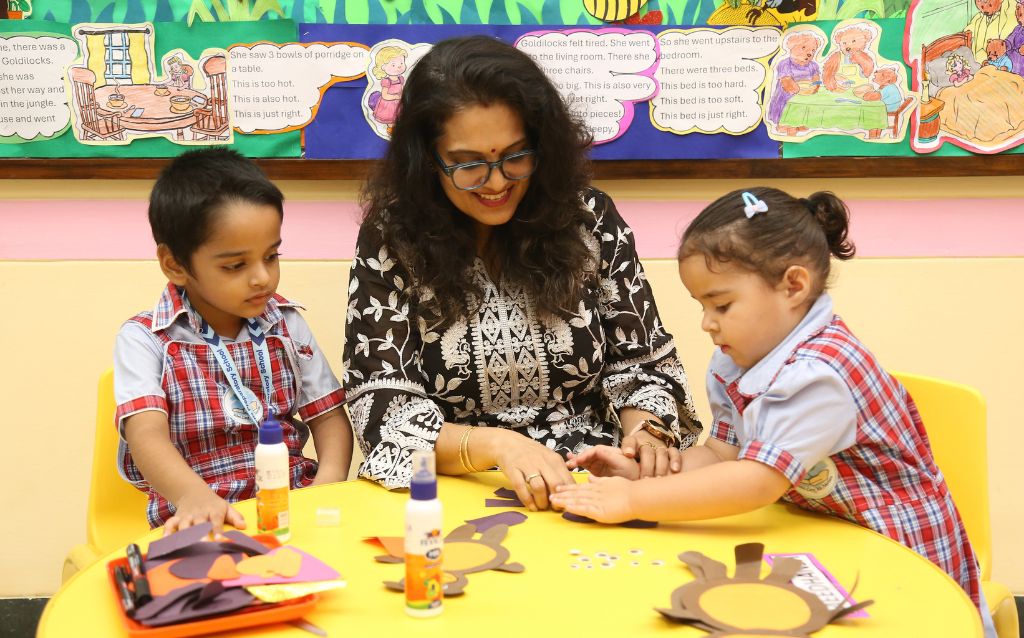
The teacher-student
relationship in the early years is both adorable and worth
observing. Somehow, we all remember our first teacher, who held our hands to
help us write better or gave us chocolates to encourage us. We think school is
all about classrooms, playgrounds, and activities, but it's also the place that
shapes a kid's learning experience beyond academics. The beauty of classrooms
lies in the sweet bond between teacher and student.
The relationship-based education between the child and the
teacher is not only academic; it is also more than that. This bond reflects how
comfortable kids feel while asking a question, sharing an idea, or expressing
emotions. This only happens when students feel heard, valued, and respected.
One of the key advantages of a teacher-student relationship is that it can
shape confidence, social behaviour, and lifelong good practices. In this blog,
we will explore why attachment theory in education is important and how
schools can nurture it to support kids' progress.

How to build a good teacher-student relationship?
With consistent effort and patterns, teachers can build positive yet engaging relationships to make things work.
1. Open Communication: Talking openly can help kids a lot more than restricted communication. Teachers specialise in communication, and they should make it easy for children to speak freely in class. When the children's ideas are shared, heard, and valued, they feel secure, and this trust-building eventually makes the learning space comfortable.
2. Understand the Children: Every child comes with a set of qualities. Some learn quickly, while some take time to understand. Teachers need to understand that this varies with every kid and that showing patience and trying to understand them strengthens the bond in the classroom.
3. Be Accessible: Young kids are too innocent. They just want someone who's approachable about any concerns. Teachers can listen to them and talk with more gratitude & politeness so that the kids can open up more and approach them without hesitation.
4. Admire Even Small Efforts: One of the best things a teacher can do in building a good relationship with a student is to appreciate their progress. Whether it's small or big, recognise their effort and improvement. Simple appreciation can boost confidence and motivate young minds to work harder. Teachers should foster a social-emotional learning environment to make all things work out.
5. Treat Every Student Fairly: When rules are not applied the same for everyone, children notice it quickly. Respect grows when things are fair and consistent. When teachers treat all students equally and set clear expectations, it helps create a balanced classroom where every student feels valued and included.
Key Advantages of the Teacher–Student Relationship

1. Improved Academic Performance
When students feel encouraged by their teachers, they often start to improve academically. Their understanding grows a lot once they feel free to explain any concerns they have and ask questions, too. In this way, academic success becomes, more or less, steady.
2. Enhanced Mental Health
A compassionate teacher may create a safe educational space as they know how relationship-based education works. Children usually feel less nervous in difficult situations when they know someone will listen without judging them. When students receive emotional support from their educators, they can manage stress better and often maintain a more hopeful mindset toward learning and obstacles.
3. Enhanced Involvement in the Classroom
If a kid senses a true connection with their teacher, they tend to
pay closer attention. They show genuine interest in the lessons, join in
discussions, and offer thoughtful responses more than before.
Conclusion
A
positive teacher-student connection is the basis of early-age education. When a
kid feels heard and valued, they grow to their full potential, not just
academically but emotionally and socially. At Blue Bells
Preparatory School, we prioritise a healthy relationship between
teachers and students and foster an ecosystem where children feel confident and
motivated.


More Blogs
How Parents and Teachers Together Shape a Child's Growth
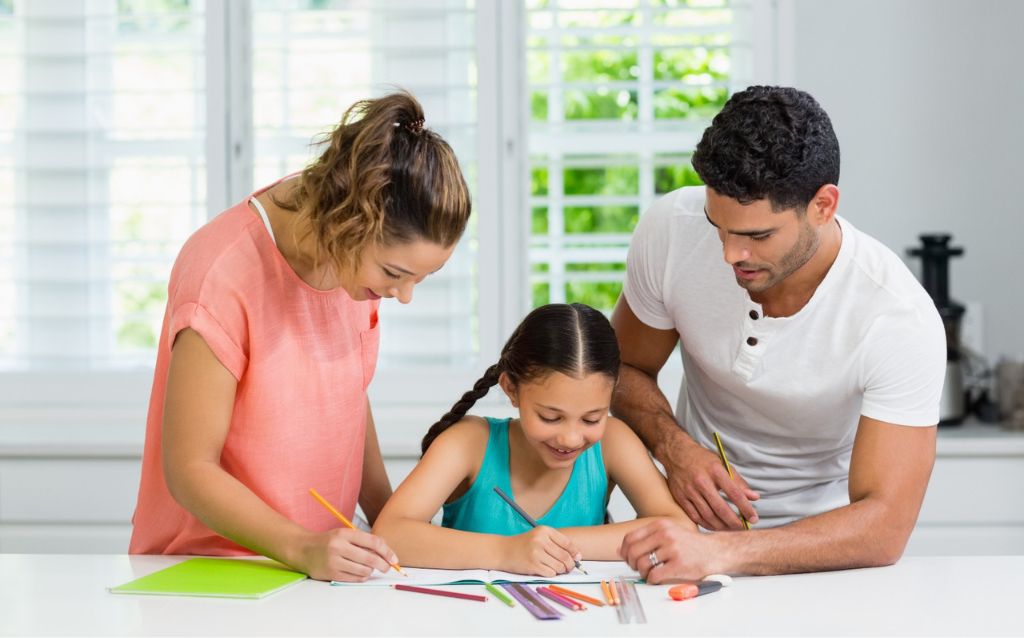
A child’s growth in the early years matters most, as it lays the foundation for their future life. Parent-teacher collaboration is the most important thing in a child’s development.
Read More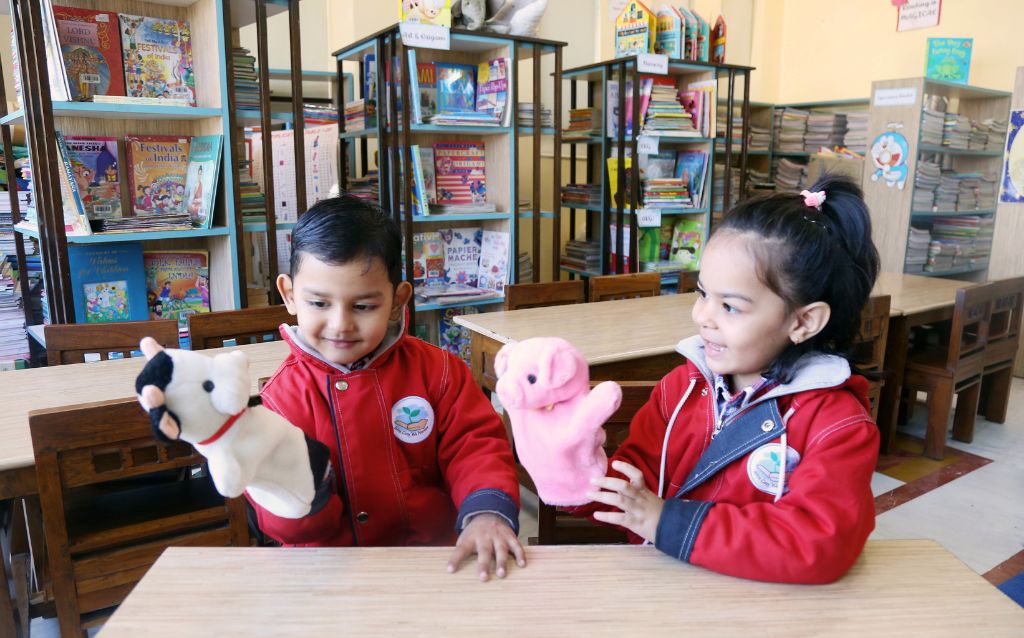
The Power of Storytelling in Early Learning
Stories shape us. Storytelling can impact anyone. Stories are a part of our culture that not only help us learn new things but also define our future. It would not be wrong to say that storytelling is an art. The art of storytelling is something everyone can’t possess.
Read More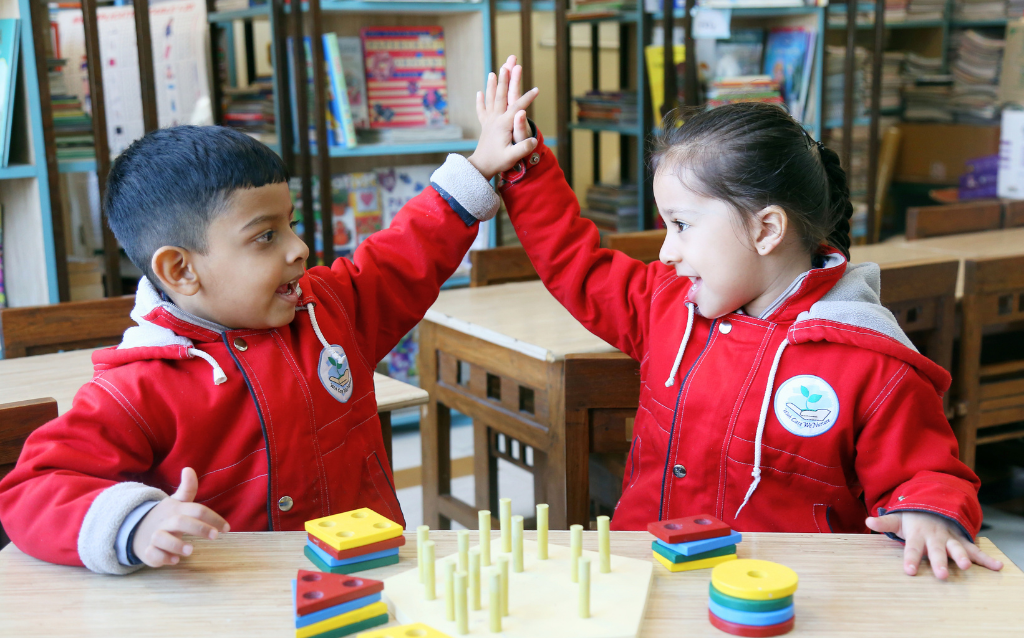
How Social Skills Begin in the Classroom?
Social skills have become important aspects in our lives- especially in kids' lives. Showing empathy, communicating with friends, and sharing things are core abilities that fall under social skills.
Read More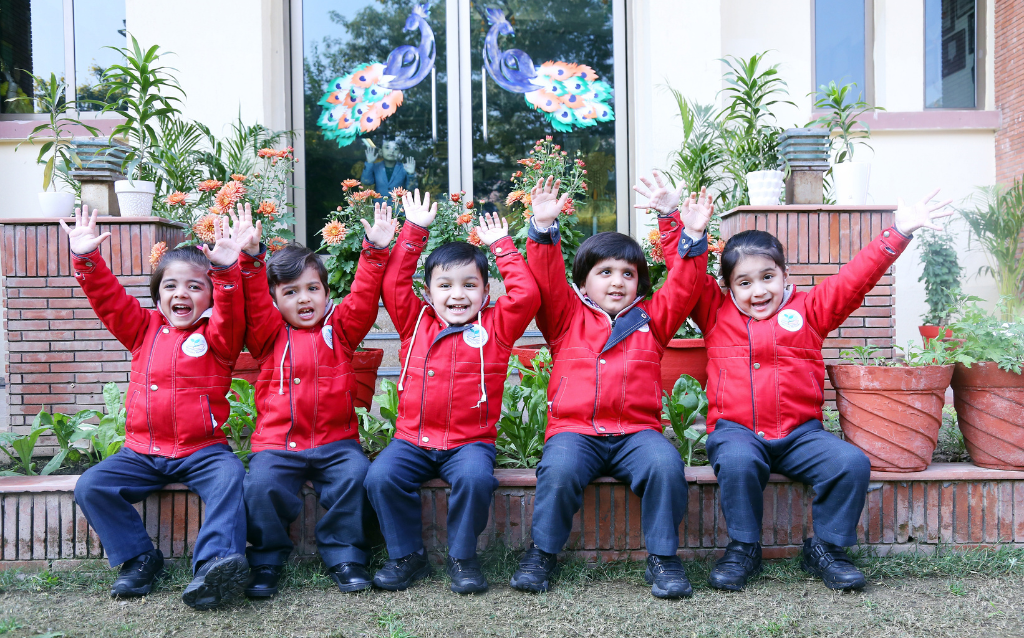
A Day in the Life at Blue Bells Preparatory School
School time is one of the best times in children's lives. Kids don't just learn in schools but also play, make friends, and enhance life skills.
Read More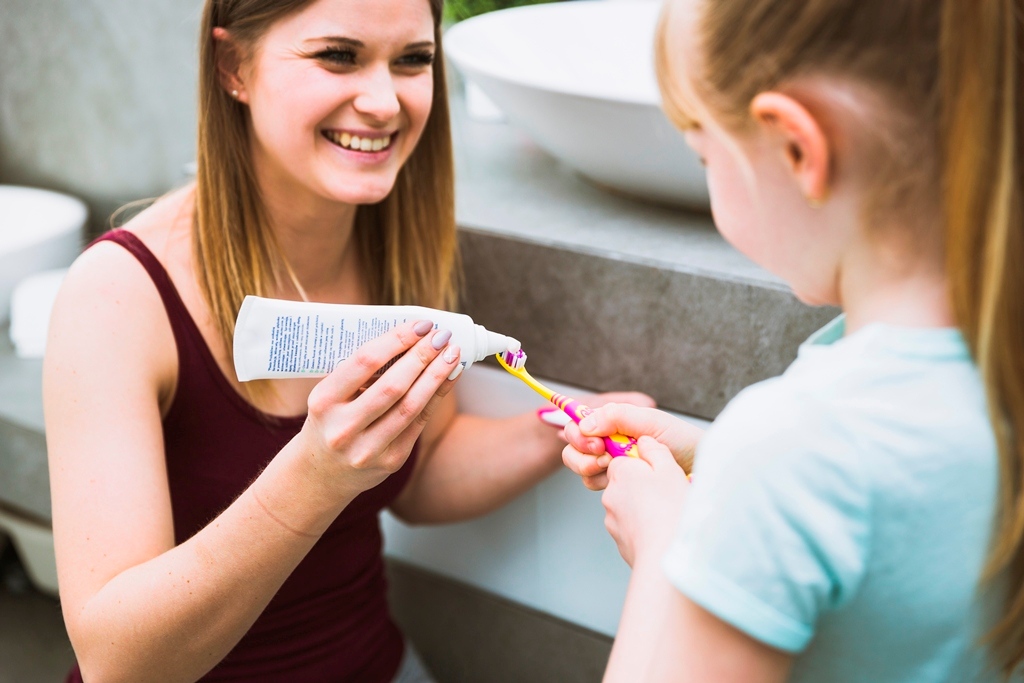
Teeth, Nails, Shoes: Grooming Basics for School Days
Discipline is essential for any school-going kid. It isn’t just about arriving at school on time, completing homework within the given deadline, and wearing neat clothes; personal hygiene and grooming are also essential components of discipline.
Read More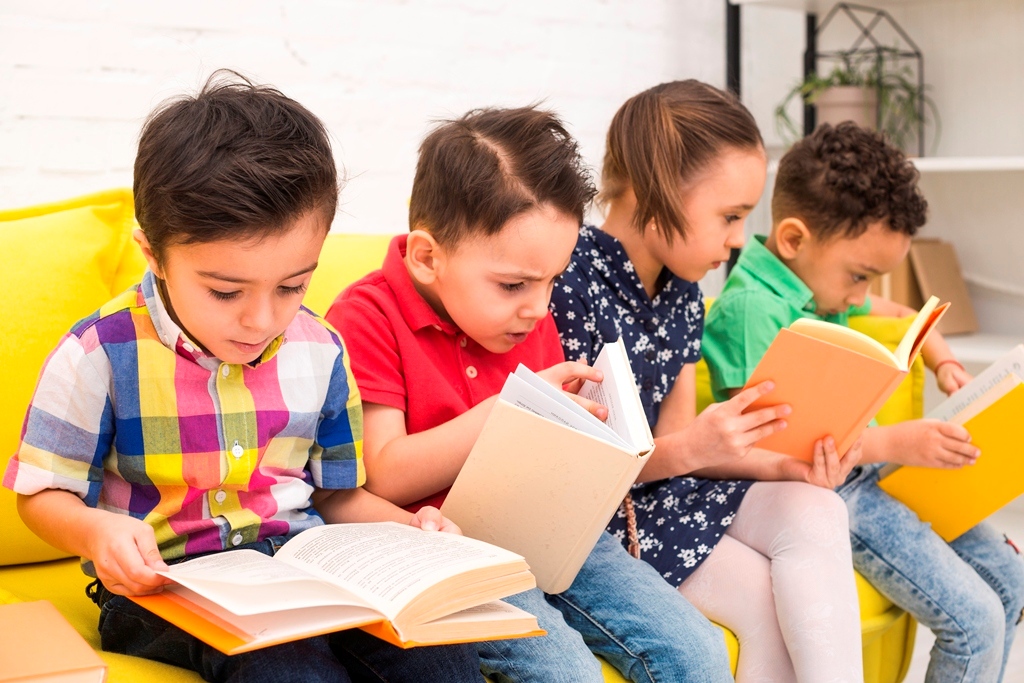
Reading Together: 10 Minutes a Day
What you read is what you imbibe. In the fast-paced world, where screens have captured children's attention, the simple act of reading a book can evoke a magical feeling. We indeed have to evolve with the times, but reading shouldn't be limited to screens only.
Read More
Handling Apart Time Worries at Drop-Off
Let's face it, school drop-off can sometimes be quite worrisome for both kids and parents. You know the scene: your child hanging on your leg, tear-filled eyes, perhaps even a complete meltdown. And you? You're standing there with your heart dropping, thinking, "How do I make this less difficult for both of us?"
Read More